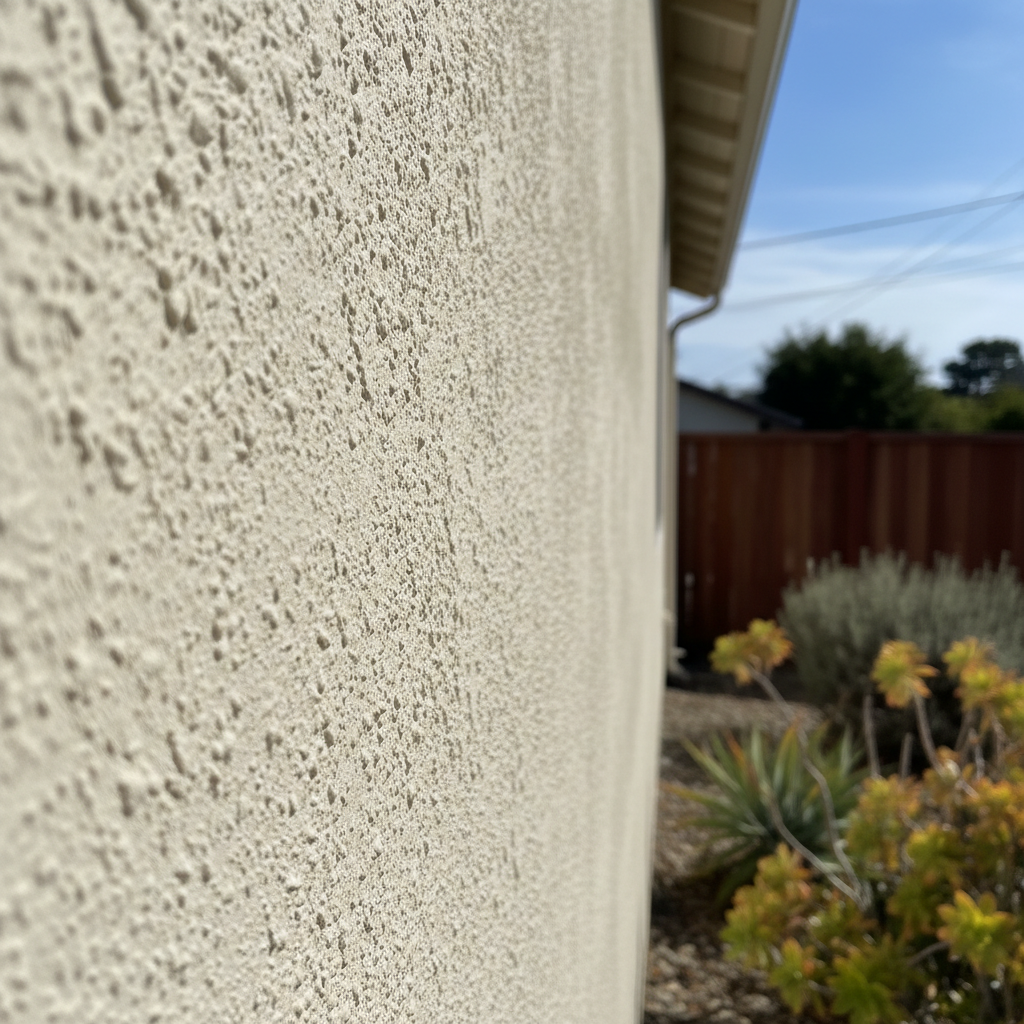
Alright, we are going to talk about Stucco Inspections. You own a home here in Santa Cruz, and you have stucco on the outside. This is a common setup, and it is a good finish when it is working right. But just like anything else, stucco needs some attention to make sure it stays that way. This is not about fancy reports or trying to scare you. It is about giving you the straight facts on what you, as a homeowner, should be looking for. We will also tell you when you absolutely need to bring in someone like us at Santa Cruz Stucco & Plastering.
Before the Inspection: Your Initial Walk-Around
You can do a pretty thorough visual check yourself before you even think about calling a professional. This is your first line of defense. Grab a notepad as well as your phone for pictures. Then take a walk around your entire house. You should do this at least once a year, maybe after our winter rains or in the late summer when things are dry here in Santa Cruz.
Here is what you are looking for during your walk-around:
- Cracks: Hairline cracks are pretty common. Stucco is rigid, and houses settle. Materials expand and contract with our coastal temperature swings, so small cracks happen. But if you see cracks wider than a credit card, or ones that are spreading, or a whole web of them around windows and doors, that is a red flag. Diagonal cracks coming off window corners, for instance, can point to structural movement in your Santa Cruz home.
- Discoloration and Stains: Look for any dark streaks, especially below windows, near the foundation, or around pipes as well as vents. That is often a sign of water getting in where it should not be. White, powdery stuff, which we call efflorescence, also means water is moving through the stucco and leaving mineral deposits. These are big indicators of moisture problems for your stucco.
- Bulging or Soft Spots: Press firmly on the stucco in different areas. Healthy stucco should feel hard like a rock. If it feels soft, spongy, or even crumbles, you have likely got water damage underneath, and that is serious. Bulging or blistering areas also mean trapped moisture behind the stucco.
- Gaps and Sealant Issues: Look closely around all your windows, doors, and utility penetrations. These include hose bibs, dryer vents, and electrical conduits. Also check where the stucco meets other materials. Are there any gaps? Is the caulk cracked, brittle, or missing? These are prime entry points for water into your Santa Cruz home.
- Drainage: Check your gutters as well as downspouts. Are they directing water away from the house? If water is constantly pooling against your stucco, especially at the base, that is a problem. Our Santa Cruz fog and seasonal heavy rains mean water management is important for your stucco.
You should document everything you find with photos. This initial visual inspection is something every homeowner can and should do regularly for their stucco.
During the Inspection: When to Call a Pro
If your DIY walk-around turns up more than just a few tiny hairline cracks, or if you are buying or selling a stucco home, it is time to call in a professional stucco inspector. A general home inspector might glance at the stucco, but they are not specialists in this material. You need someone who lives and breathes stucco, especially with our unique coastal climate here in Santa Cruz. Salt air and frequent moisture can accelerate degradation of stucco in our area.
What will a professional stucco inspector do that you cannot?
- Specialized Tools: We use moisture meters. These are not just for show. They can detect hidden moisture behind the stucco without tearing into your walls. We will take readings around windows, doors, and other areas prone to water intrusion. Readings above 15-20% are a concern. Anything over 25-30% is a serious red flag for your stucco.
- Invasive Testing (if needed): A professional might recommend a targeted invasive inspection if those moisture readings are high. This is also true if other visual cues suggest deeper issues. This means carefully drilling small holes and inserting probes to get a direct moisture reading from the wood sheathing behind the stucco. Do not worry; we fill those holes back up.
- Flashing and Drainage Plane Expertise: A professional stucco contractor knows exactly what proper flashing looks like around windows, doors, and rooflines. They also know how the drainage plane behind the stucco should be working. We are checking for things like kickout flashing, which is important for diverting water away from your walls.
- Understanding Local Vulnerabilities: Homes built in the 70s and 80s are common in neighborhoods like Live Oak as well as Pleasure Point. These homes sometimes used older stucco methods that are more prone to water issues if not properly maintained. A local expert understands these historical nuances as well as specific challenges of stucco in our Santa Cruz area.
- Detailed Reporting: You will get a complete report with photos, specific locations of issues, and clear explanations of what is going on. This is not just a list of problems. It is a roadmap for what needs to be done for your stucco.
A professional stucco inspection typically costs between $600 and $1,200. This depends on the size of your home as well as the complexity of the inspection. It is a small price to pay to avoid tens of thousands in potential repairs if problems go undetected in your Santa Cruz home.
After the Inspection: What Happens Next?
So, you have got your inspection report for your stucco. What happens next? Do not panic if the report shows important moisture intrusion or structural issues. But do not ignore it either. You will need to address these problems to protect your home's integrity.
You might be able to tackle minor issues yourself if you are handy. This includes small cracks or re-caulking. There are plenty of resources out there for basic stucco patching as well as sealing. But honestly, for anything beyond cosmetic surface fixes, you really need to call in a qualified stucco repair contractor.
Why is this important? Stucco repair is not just about making it look good on the outside. It is about understanding why the damage happened in the first place and fixing the underlying problem. Just patching a crack without addressing the moisture source is like putting a band-aid on a broken leg. It will not solve anything, and the problem will just come back, often worse. Professionals have the expertise, the right materials, and the knowledge to make sure the repair is done correctly and lasts for your Santa Cruz stucco.
Our team at Santa Cruz Stucco & Plastering has seen it all. We can help you understand your inspection report as well as prioritize repairs. We can also get your stucco back in top shape. Protecting your home from our coastal elements is a job best left to those who know the material inside and out.